Preparing for GHG Reporting in the Philippines in Compliance with PFRS
Sustainability reporting in the Philippines is entering a new era.

Sustainability reporting in the Philippines is entering a new era.

You’ve begun your Greenhouse Gas (GHG) accounting journey, so what comes next? How do you turn data into action? How do you spot and reduce emissions across your operations? These questions define the future of GHG accounting.

GHG accounting is more than just a buzzword; it serves as a strategic tool that enables businesses to take meaningful climate action while improving operational efficiency and long-term resilience.
In GHG accounting, we divide them into three scopes to help better understand these emissions, their origins, and the point in the business operation where companies produce them.
We helped Drink track six years of emissions.
As we uncover more of Scope 2 emissions.

When we hear the word “Greenhouse Gas (GHG) emissions”, we immediately imagine factories and gas guzzling vehicles but in reality this also includes how we dispose of our waste or your daily commute to the office.
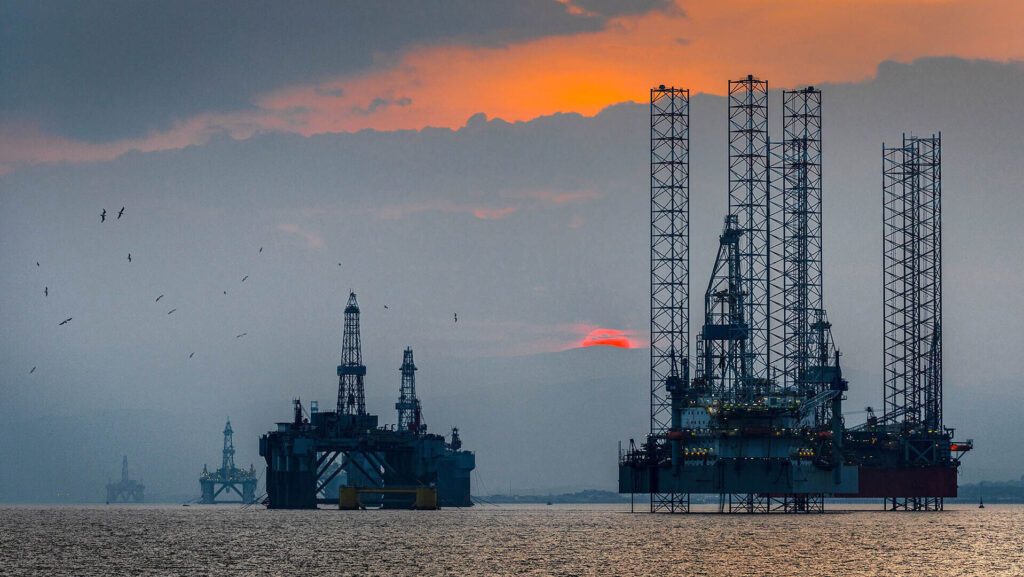
The Need to Transition is Now!
Achieving net zero is essential to limiting global warming and mitigating the impacts of climate change.

Why do you need to manage your carbon footprint?
In today’s world, the pressing need to address climate change has led to increased awareness and actions towards reducing carbon emissions.
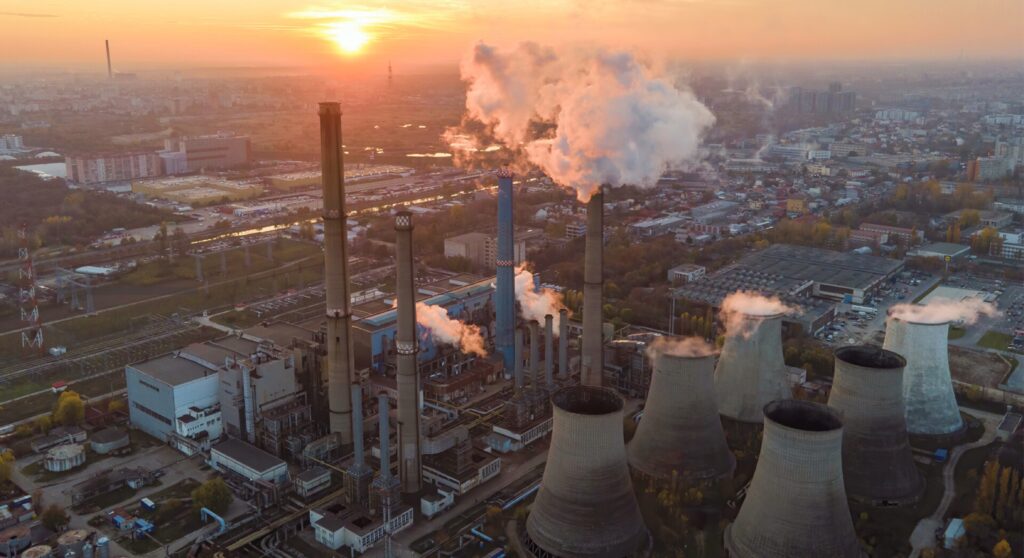
In recent years, the concept of a net zero economy has gained significant attention as societies worldwide grapple with the pressing issue of climate change, primarily caused by greenhouse gases.